

Cultural views on gambling How different societies perceive chance and risk
Understanding Gambling in Various Cultures
Gambling has been a part of human history for centuries, and its perception varies significantly across cultures. In some societies, gambling is seen as a form of entertainment, while in others, it may be viewed as morally questionable or even taboo. For instance, in Western cultures, particularly in Las Vegas and Atlantic City, gambling is widely accepted as a leisure activity. People visit casinos not only for gaming but also for the vibrant atmosphere, fine dining, and entertainment. This acceptance shapes the social fabric, enabling the rise of casino cultures that thrive on economic benefits. Among the various options available to players, you can find the best interac casino to enhance your gaming experience.

Conversely, in many Asian cultures, gambling is often interwoven with traditional practices. In countries like China, games of chance like Mahjong and lotteries are deeply embedded in social gatherings and festivities. The Chinese New Year often includes gambling as a way to invite luck and prosperity for the coming year. However, even in these contexts, gambling can carry a stigma when it leads to addiction or financial ruin, illustrating a complex relationship with chance and risk.
In contrast, some societies, such as those in parts of the Middle East, may have stricter prohibitions against gambling due to religious beliefs. In these cultures, gambling is often associated with negative moral connotations and considered a vice. The societal response is shaped by religious doctrines, which emphasize restraint and caution when it comes to financial risks. This variance in perspective highlights how cultural beliefs can influence attitudes toward risk-taking behaviors.
The Role of Religion in Shaping Attitudes towards Gambling
Religious beliefs significantly influence how various societies perceive gambling. In predominantly Christian societies, gambling can sometimes be viewed as morally ambiguous. Some denominations deem it a sin, believing it promotes greed and recklessness. This perspective often leads to a cautious approach toward gambling activities, with many Christians advocating for responsible gambling practices when engaging in such activities.
In Islamic cultures, gambling is strictly forbidden by religious law. The Quran explicitly condemns games of chance, equating them with sin and wastefulness. This prohibition is deeply entrenched, leading to various social norms that discourage gambling. Consequently, individuals in these societies may view any gambling activity as not only a risk but also a significant moral failing, impacting their views on chance and risk.
Judaism offers a nuanced perspective on gambling. While it does not outright prohibit gambling, it encourages moderation and warns against the dangers of excessive gambling. In some Jewish communities, activities like playing cards or betting on sports may be accepted, provided they do not lead to negative consequences. This moderated view suggests a balancing act between enjoying chance and maintaining responsible behavior, shaping a unique cultural narrative around risk-taking.
The Influence of Legislation and Regulation on Gambling Perception
Legal frameworks play a crucial role in shaping societal views on gambling. In countries like the United States, where gambling laws vary from state to state, the perception of gambling can shift dramatically. States with legalized casinos often embrace gambling as a legitimate industry, generating significant revenue and employment. In contrast, regions that impose strict regulations may foster a more negative view, associating gambling with crime and social issues.
In contrast, countries with national lotteries, such as the United Kingdom, often see gambling as a socially acceptable pastime. The regulatory environment supports responsible gaming initiatives and public education about gambling risks. This acceptance helps normalize gambling activities, changing public perception over time, and integrating them into everyday life. Citizens tend to view such gaming as a means to contribute to public funds, enhancing the positive outlook on chance and risk.
Legislation can also affect how gambling is perceived through taxation and public health measures. Responsible gambling campaigns funded by gaming taxes promote awareness and encourage safer gambling practices. These initiatives aim to mitigate risks associated with gambling, reinforcing the idea that while chance and risk are inherent in such activities, they can be approached with caution and mindfulness.
Gambling as a Social and Cultural Activity
In many cultures, gambling transcends mere financial transactions and evolves into a social activity. In some Mediterranean countries, family gatherings often include card games and betting, serving as a bonding experience. This communal aspect of gambling fosters connections, allowing individuals to share in the thrill of chance. In such contexts, risk-taking becomes a collective experience, positively viewed as part of cultural traditions.
Similarly, in Native American communities, gambling is often tied to cultural identity and economic development. Tribal casinos provide significant financial resources that support community projects and programs. These establishments often become centers for cultural celebration and engagement, reframing the perception of gambling as not just a personal risk but a community benefit, enriching the cultural landscape.
Furthermore, sporting events are increasingly becoming a platform for social gambling, with friends and families placing friendly bets on outcomes. This casual approach to gambling can enhance social interactions, creating excitement and camaraderie. However, it also raises concerns about the normalization of risk-taking behavior, highlighting the delicate balance societies must maintain between celebration and caution.
Exploring Modern Online Gambling Cultures
With the advent of technology, online gambling has reshaped the landscape of gaming and cultural perceptions. The digital realm has made gambling more accessible, drawing in players from diverse backgrounds. In many Western countries, online casinos and poker sites are embraced as legitimate entertainment platforms. This shift has led to a more relaxed attitude toward gambling, with fewer social stigmas attached.
However, the rise of online gambling also brings challenges, including increased risks of addiction. Cultures that were previously ambivalent may now grapple with the darker side of gambling. Online gaming can blur the lines between recreational play and excessive gambling, leading to growing concerns about mental health. The need for regulations and responsible gambling measures becomes more critical in this evolving landscape.
As online casinos gain popularity, they also reflect cultural shifts toward individualism and convenience. Players can now engage in gambling activities from the comfort of their homes, leading to a more personal relationship with chance and risk. This trend challenges traditional notions of gambling as a communal or social experience, prompting societies to reassess their views and promote responsible gaming initiatives in the digital age.
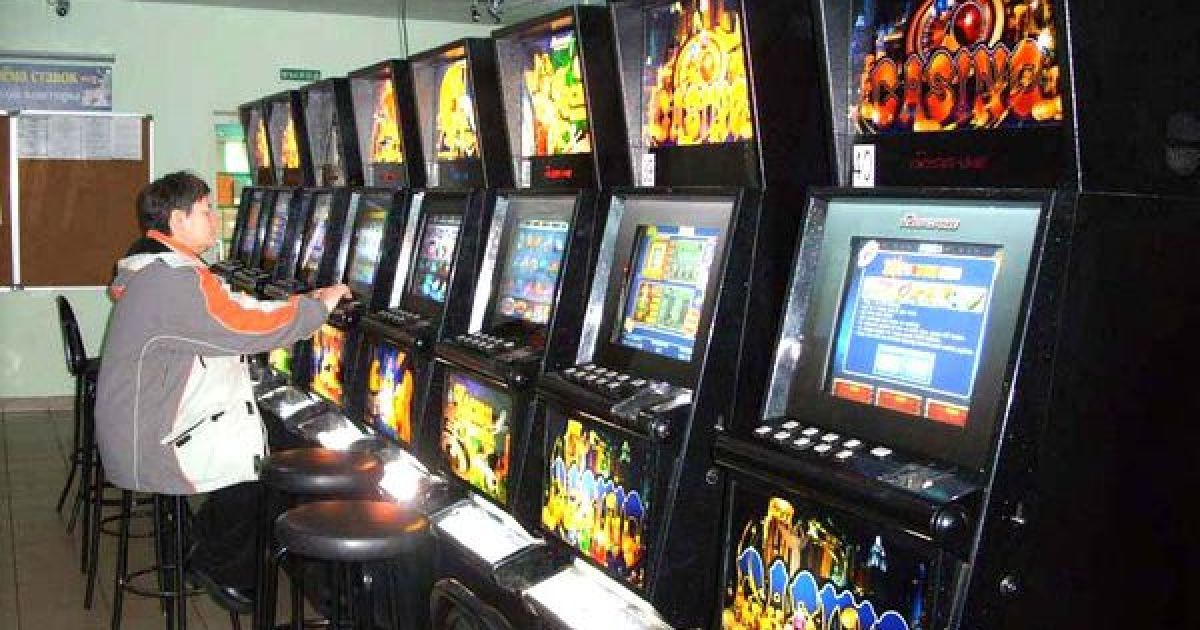
Your Guide to Responsible Online Gambling
For those interested in exploring online gambling, it is essential to understand the importance of responsible gaming practices. Online platforms offer various resources to ensure that players engage in safe gambling. Information about setting limits, recognizing signs of addiction, and accessing support services is increasingly available, allowing players to navigate their experiences with awareness and care.
Moreover, as the online gambling landscape continues to grow, finding trustworthy sites becomes crucial. Many casinos provide detailed guides on how to engage responsibly, with tips on using secure payment methods and recognizing promotional offers. These resources help create a safer environment for players, encouraging informed choices that enhance enjoyment while minimizing risks.
As more players turn to online gambling, understanding cultural views on chance and risk can help frame their experiences. By exploring the diverse perspectives that shape gambling practices worldwide, players can gain insights into their behaviors, promoting a responsible and enjoyable gaming environment. The evolution of gambling culture emphasizes the need for awareness and responsibility, ensuring that chance remains an entertaining experience rather than a detrimental risk.
